Wood Fence in Desert Sun
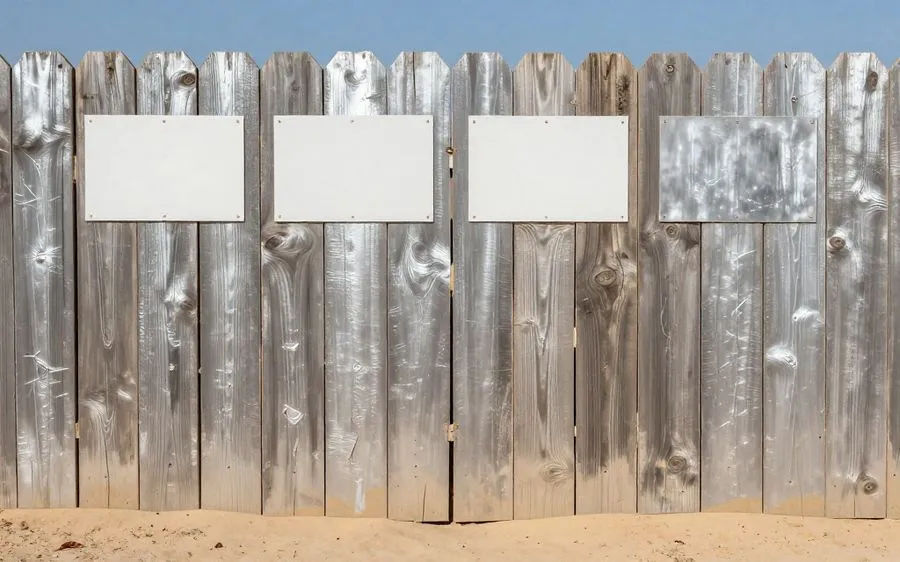
A wood fence can look right in a Phoenix yard on installation day. The hard part begins after that. Sun strips the surface, heat pulls moisture from the boards, and maintenance becomes an appointment that keeps coming back. I would not call wood a cheap fence until I knew who was going to keep that appointment.
The sun does two things to wood
UV breaks down lignin, the material that helps hold a wood surface together. Then summer heat drives moisture out of the boards. The visible result is familiar: silvering, checking, cupping, and splits. A fence can still be standing while its exposed faces are already asking for attention.
That pairing makes wood the highest-maintenance barrier I see in this market. Commercial estimates commonly put useful life around 5-10 years, with about 8-12 years sometimes quoted for a well-maintained fence. Those are broad estimates, not a promise for one yard. Sun exposure, post work, and whether somebody keeps up the finish change the result.
The ground rules
Phoenix is a wall-first market, so a wood fence is already an exception in many streetscapes. The posts and how they are set decide whether the fence stays straight after the boards start moving.
Get community approval before you commit to a design, then handle the required local approval. Call for utility locating before any post holes are dug. I once watched a job get delayed over a detail the crew treated as paperwork. It was not paperwork to the owner waiting on the gate.
Species matters, but not as much as the schedule
Trade practice generally finds that cedar and redwood outlast pressure-treated pine in dry heat. That does not turn either species into a set-it-and-forget-it choice. Every wood fence here needs a finish cycle, and the cycle is where the ownership cost hides.
Commercial estimates commonly suggest re-staining or sealing every 2-3 years. I would put that interval in the bid notes, not rely on a sales conversation. A nicer species may buy resilience, but skipped maintenance still leaves the same sun and heat working on the boards.
| Year | What the fence needs | What happens if skipped |
|---|---|---|
| At installation | Confirm the included finish and keep the product and date in your records. | You may not know what maintenance the bid assumed. |
| Year 2-3 | Commercial estimates commonly call for a re-stain or seal review. | Surface weathering can continue unchecked. |
| Year 5 | Inspect boards, fasteners, and the finish before approving a cosmetic touch-up. | Checking and splitting may become more visible. |
| Year 8-10 | Reassess the fence as a whole; commercial lifespan estimates vary widely. | Replacement may be closer than the original bid suggested. |
Your community may not allow it
Read the CC&Rs before you price a wood fence. Many Valley communities restrict wood that is visible from the street, but that is not a blanket rule. The approved material, color, height, and location can all depend on the subdivision.
Do not treat a neighbor’s fence as approval. Ask for the current covenant language and any architectural standard that applies to your lot. The approval question belongs before the material choice, not after a deposit.
What moves the price
Length, species, height, and post setting all move the installation number. The line missing from many quotes is the recurring finish work over the years you expect to stay. That is why I compare wood against the other minority material and its grade question and the broader lifecycle tradeoffs in block wall versus vinyl and wood, rather than judging the first quote alone.
For a basic material comparison, chain-link fencing has a different maintenance profile. If a masonry boundary is on the table, block wall installation is a separate project with its own planning questions.
The twenty-year question: Count how many 2-3 year re-stain cycles fit into the years you plan to stay. Then add one possible replacement if the commercial lifespan range proves true, and compare that with a barrier that needs neither. Decide from that total, not from the install bid by itself.
Reading the quote
Ask the contractor to identify every part of the fence, including the species and grade. I would also ask what the fence looks like in five years if nobody maintains it. That answer is more useful than a vague warranty pitch.
| Bid item | What to get in writing |
|---|---|
| Wood | Species and grade |
| Posts | Material and setting method |
| Fasteners | Type used for the fence |
| Finish | Whether it is included and the product named |
| Future care | Recommended re-treat interval |
For work that requires a contractor, verify that the fence contractor is licensed through the Arizona Registrar of Contractors before signing. A license does not make a vague bid clear, but it is a basic screening step.
Frequently asked questions
How long does a wood fence last in Phoenix?
Commercial estimates commonly place a wood fence at about 5-10 years in Phoenix, with more life sometimes quoted for diligent maintenance. The range is wide because sun exposure, post setting, species, and finish care all matter.
What is the best wood for a fence here?
Decay-resistant species generally outlast treated pine in dry heat. Cedar and redwood are commonly mentioned in trade practice, but the maintenance schedule matters more than the species alone.
How often does it need staining?
Commercial estimates commonly recommend staining or sealing every 2-3 years. Skipping that cycle leaves UV and drying to work on an unprotected surface.
Will my HOA allow a wood fence?
It may not, especially when the fence is visible from the street. Many communities restrict it, so read your CC&Rs and architectural standards before you request pricing; Arizona HOA approval guidance covers that process.
Price the maintenance across the years you plan to stay, then compare.
Sources
- Trade and commercial sources on desert wood lifespan and re-treat intervals. These provide the commercial estimates used above.
- Arizona Registrar of Contractors, contractor classification and license lookup guidance.
Last reviewed 2026-07-29.
Lifespan and re-stain intervals are commercial estimates with wide variation. Community rules, installation details, and exposure can change the result; confirm your CC&Rs and contractor credentials before you commit.
Read next in projects
Adding Height to an Existing Block Wall
What raising an existing block wall in metro Phoenix really involves: the footing calculation, the permit, how new block ties to old, and where it is not allowed.
New Block Wall Installation in Phoenix
What a new block wall in metro Phoenix involves, what drives its price, the permit and engineering triggers, and what a sound quote must spell out.
Block Wall Repair: Cracks, Lean and Collapse
How to tell a cosmetic crack from a structural one in metro Phoenix, why block walls lean here, the repair options by severity, and what a quote must state.
Want a licensed contractor to call you back?
Leave a number and we pass it to a licensed Arizona contractor. We are not one, we do not bid on the work, and we do not sell your number on.
Request a callback
Send your number to [email protected] with the best time to call and one line about the project. It reaches a person, not an autoresponder, and the page you were reading travels with it so we know what you were pricing.
Advertiser disclosure: this page is free to read because a contractor may pay us for a lead that comes from it. That arrangement never changes what a page says. We publish no contractor names, no rankings and no reviews, and we say plainly when a project is not worth doing.